
California leads in innovation.
Its ports must too.
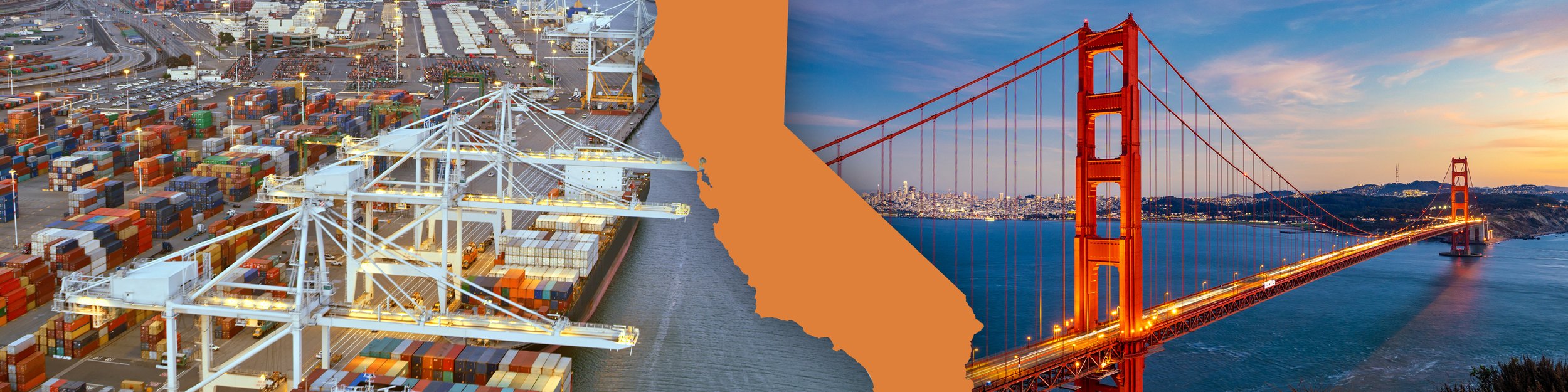
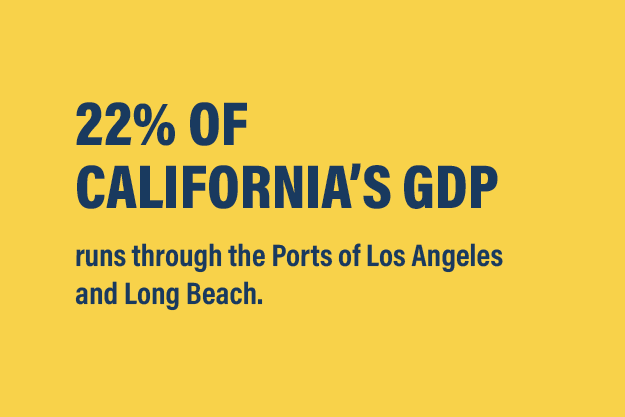
For generations, California’s ports have been more than critical infrastructure; they are the backbone of the state’s supply chain and economy. Connecting 40 million Californians to global markets and sustaining the industries that define the state, our ports make it all possible. But today, our ports are falling behind.
California is Losing its Competitive Advantage
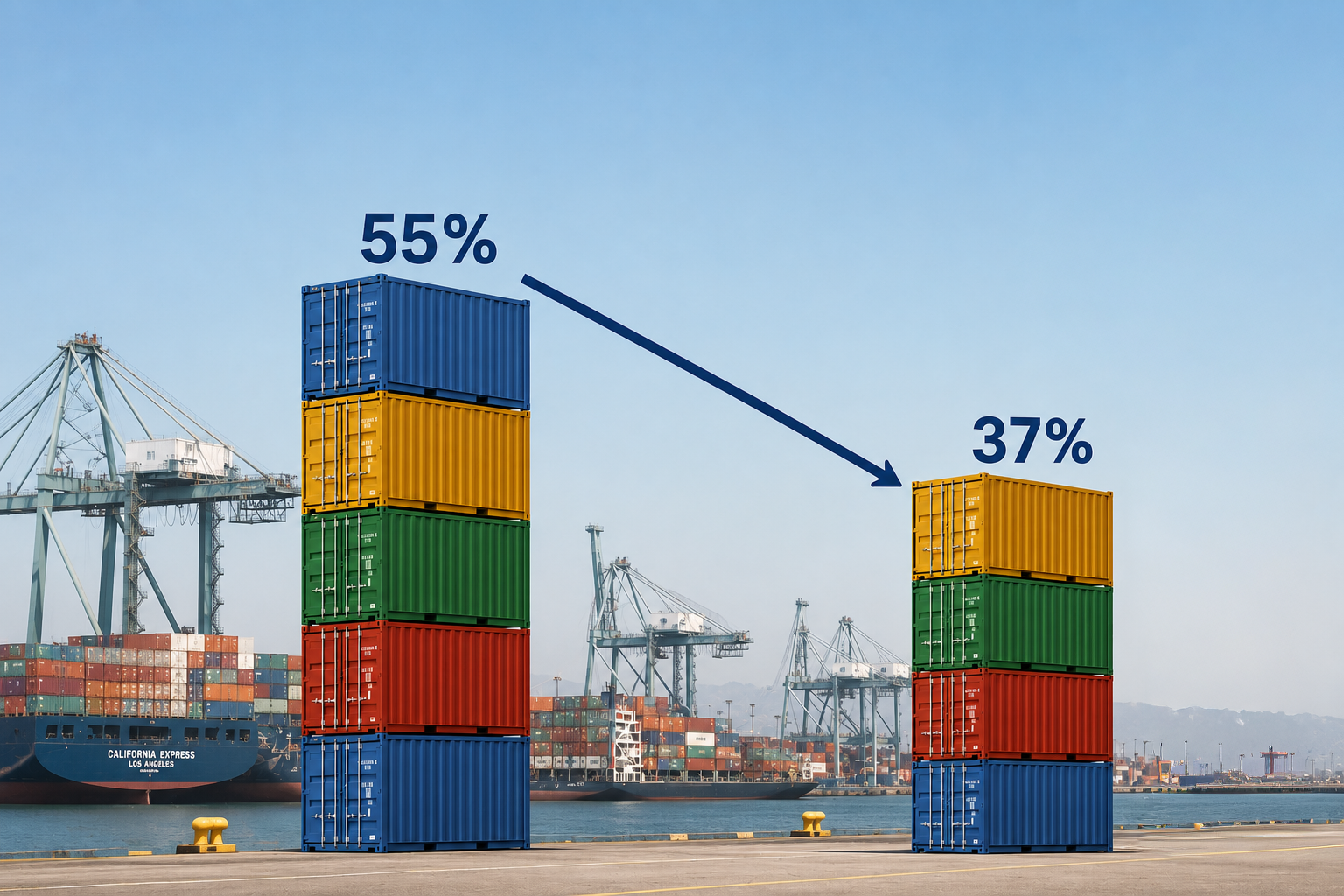
Two decades ago, the ports of Los Angeles and Long Beach handled 55% of U.S. imports from Asia. That share has fallen to 37% — cargo now flows instead to ports along the Atlantic coast, Gulf coast, and in Canada that are actively investing in modern technology to expand capacity and courting California-bound freight. Once lost, market share is very difficult to win back.
The cost of inaction is real — and it’s already happening.

Lost cargo means lost jobs and lost economic activity rippling across every region of the state, from the docks to the warehouses, trucking companies, and small businesses that depend on a competitive port system.
Some California terminals are already demonstrating what modern, efficient operations can look like. But broader modernization is essential if California is to reverse this trend and protect the millions of workers and billions in economic activity that our ports make possible.
California Ports are a Vital Part of Our Economy — We Can’t Afford to Fall Behind
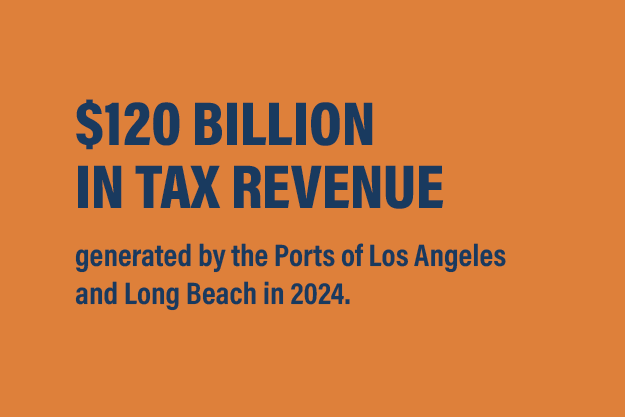
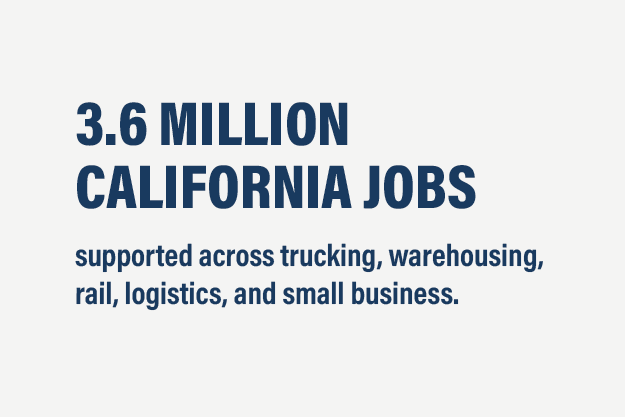
Modern Ports Mean a Stronger Economy, a Growing Workforce, and a Greener Future
Join the Coalition Today
By submitting this form and signing up for messages, you consent to receive emails, phone calls, and/or text messages from the Coalition for Modern California Ports at the email address or number provided, including potentially autodialed calls and/or robotexts. Donations may be solicited. Msg & data rates may apply. Msg frequency varies. Unsubscribe at any time by replying STOP. Reply HELP for help. Privacy Policy.